
BELEÉM, Brazil – The Chinese Research Academy of Environmental Sciences (CRAES) co-organized a side event at the China Pavilion during the 30th session of the Conference of the Parties (COP30) to the UN Framework Convention on Climate Change on November 15. The event, themed “Low-Carbon Technology Innovation and Industrial Practices,” facilitated international dialogue on advancing clean technology.
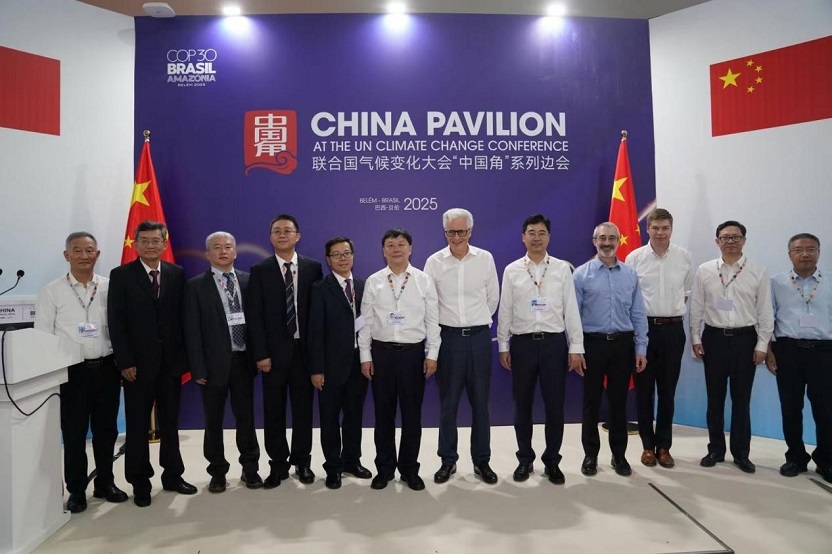
Held under the guidance of the Department of Climate Change of China’s Ministry of Ecology and Environment (MEE), the event was co-hosted by the Environmental Development Center of MEE, the China Federation of Industrial Economics, the China Industrial Development Promotion Council, and the International Hydrogen Fuel Cell Association.
The session featured opening remarks from Mr. Li Gao, Head of the Chinese Delegation to COP30 and Vice Minister of Ecology and Environment, and Lord J. Adair Turner, former Chair of the UK Climate Change Committee.
In his address, Mr. Li Gao emphasized China's role as a constructive participant in global climate governance. He pointed to China’s enhanced Nationally Determined Contributions (NDCs) as a reflection of its strong commitment to climate action. “China continues to foster innovation in low-carbon technologies, achieving steady progress in key sectors like renewable energy,” Mr. Li stated. “We are committed to sharing our technological achievements and practical experience with all nations to support global sustainable development and help build a cleaner, more beautiful world.”
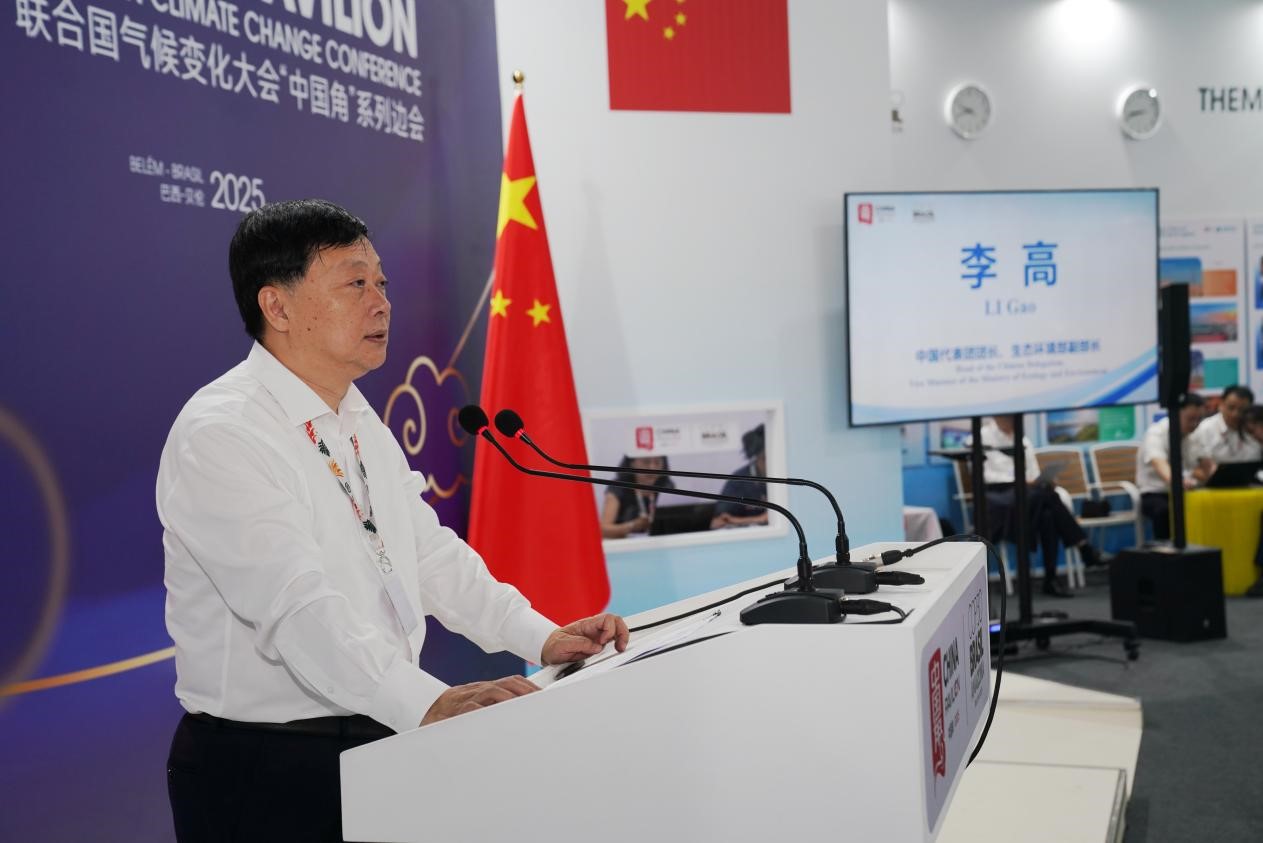
Li Gao, Head of the Chinese Delegation to COP30 and Vice Minister of MEE
Adair Turner underscored the critical need for cost-effective and efficient clean energy technologies to tackle climate change. He acknowledged China's significant advances in renewables and other low-carbon fields, which have contributed substantially to global efforts. Lord Turner also called for enhanced international collaboration in technology sharing and innovation to address shared climate governance challenges.
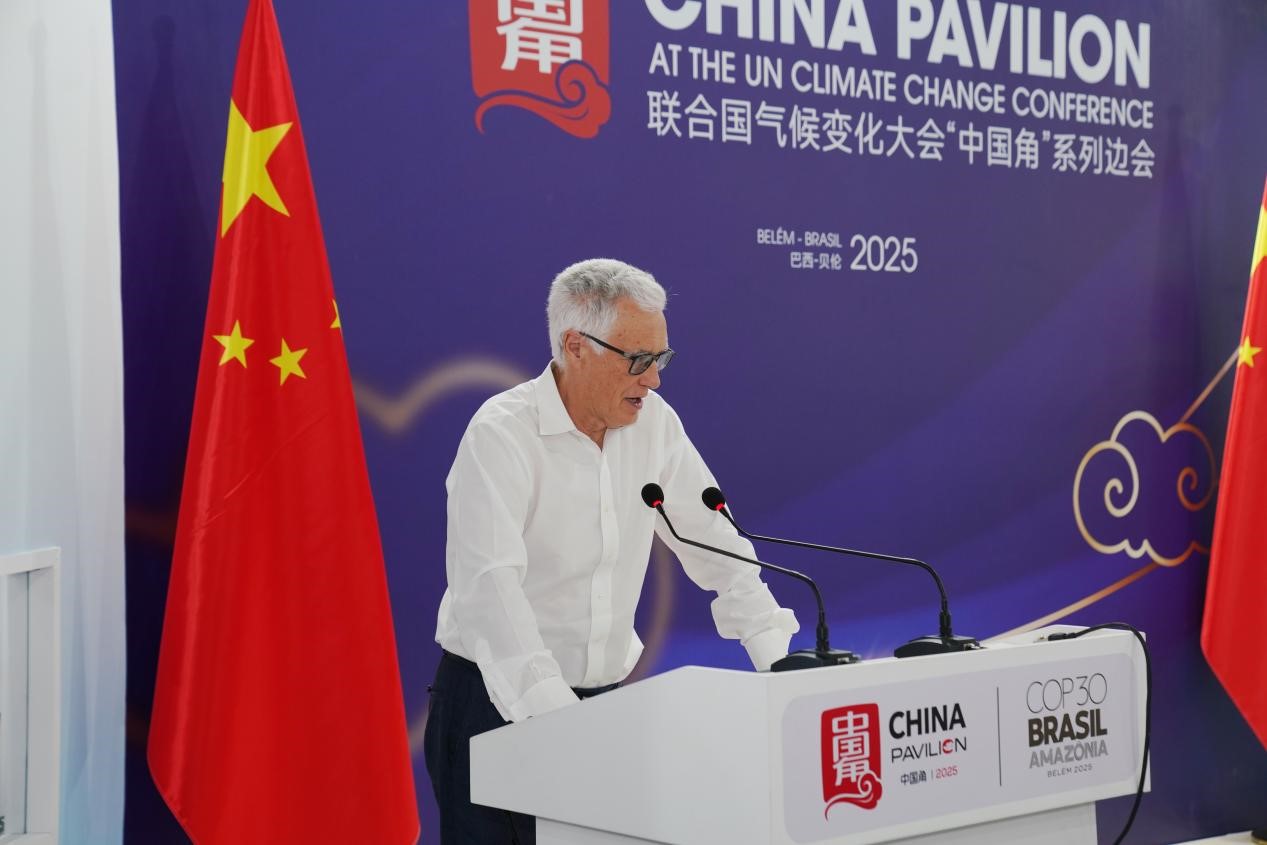
Adair Turner, Former Chair of the UK Climate Change Committee
The event agenda included the launch of key research outputs, keynote speeches, case study presentations, and a round table discussion. It brought together nearly 30 representatives from government agencies, research institutions, industry associations, and businesses worldwide to exchange views on low-carbon technology innovation and industrial application.
A highlight of the event was the unveiling of major technical outputs by CRAES. The academy unveiled for the first time several key technical achievements, including the Carbon Footprint Factor Database and Intelligent Service Platform, as well as the research report titled “ANCHOR OF STABILITY:China's Role in Global Climate Governance amid a Shifting World”.
This side event provided a platform for sharing China's practical experience in low-carbon technology and industrial applications with the global community. It served to strengthen international cooperation and knowledge exchange in low-carbon technologies, contributing to a broader understanding of China’s climate actions and its approaches to global climate governance.
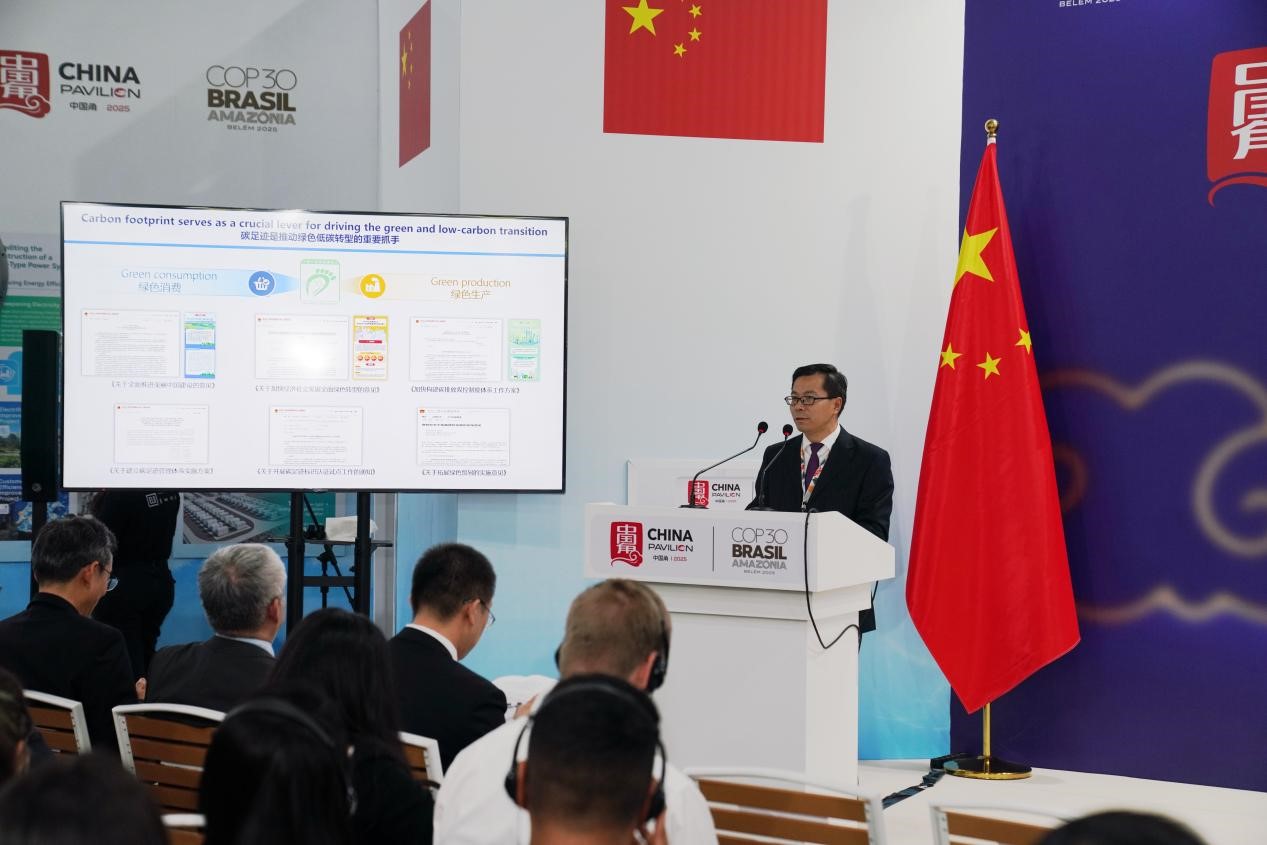
Chen Sheng, Vice President of CRAES, introduced the Carbon Footprint Factor Database and Intelligent Service Platform
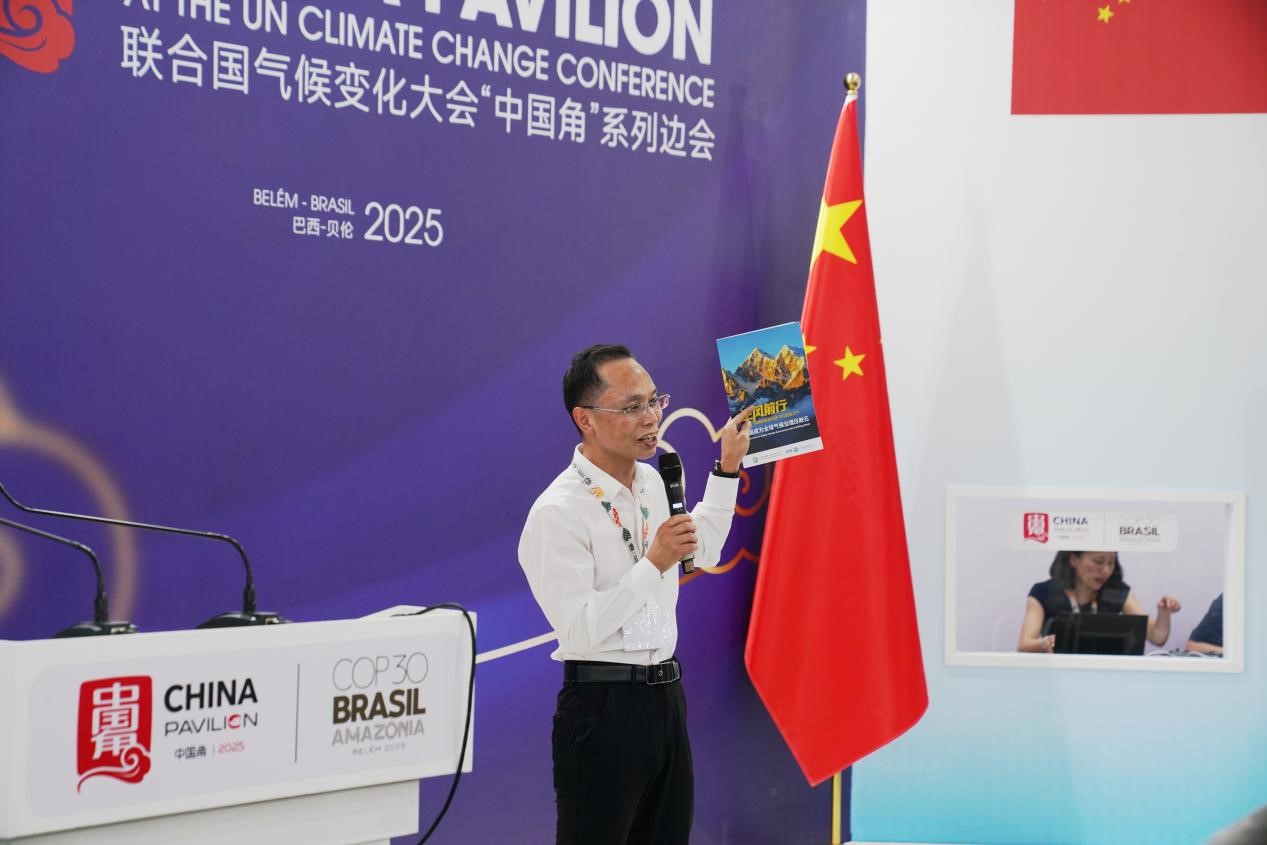
Yang Pingjian, Researcher of CRAES, presented ANCHOR OF STABILITY:China's Role in Global Climate Governance amid a Shifting World
