
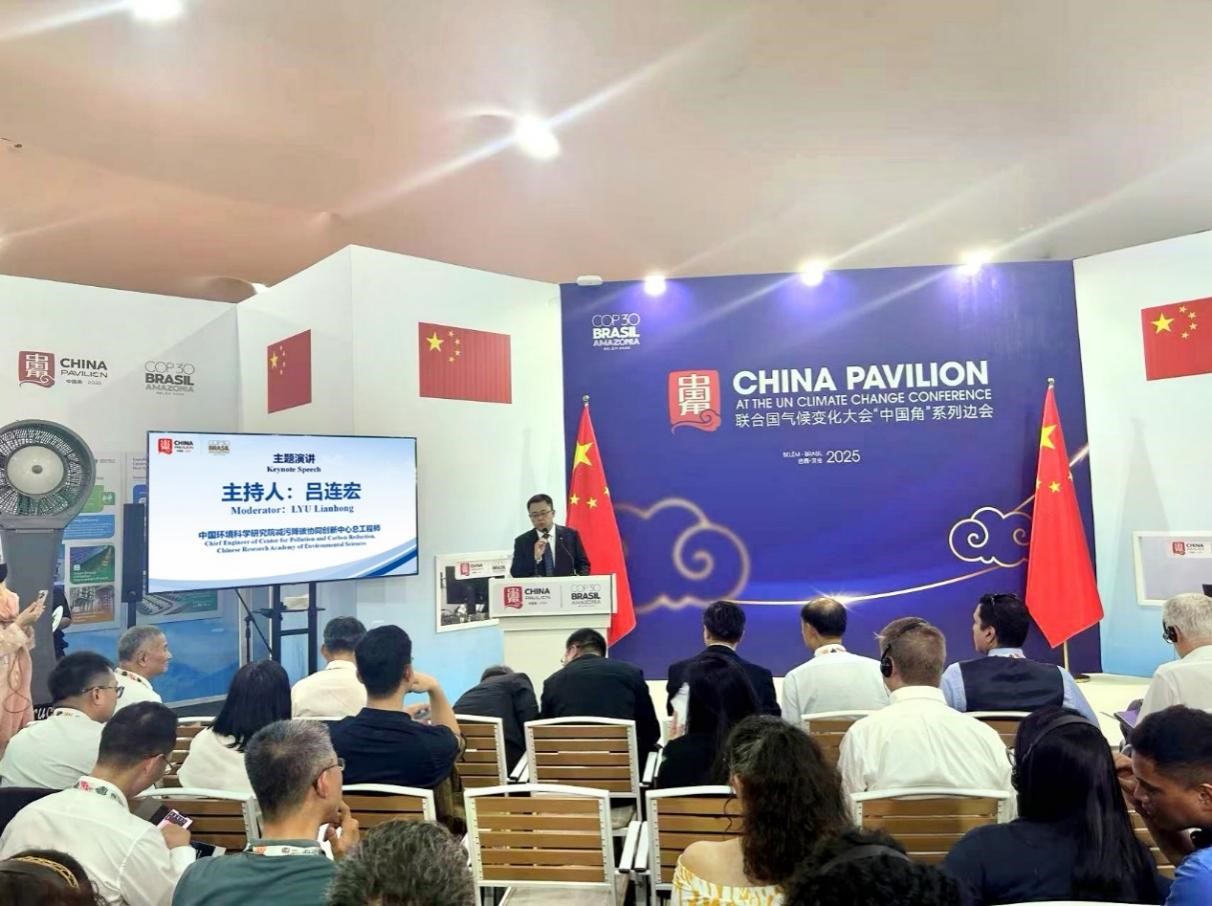
November 15, 2025, BELEÉM, Brazil - An event focused on “Low-Carbon Technology Innovation and Industrial Practices” was held at the China Pavilion during the COP30 climate conference, drawing experts and officials from around the world to discuss pathways and partnerships for advancing decarbonization.
Organized by the Chinese Research Academy of Environmental Sciences (CRAES) under the guidance of China’s Department of Climate Change, the session featured insights from international specialists who recognized China’s growing influence in clean energy technology and global climate cooperation.
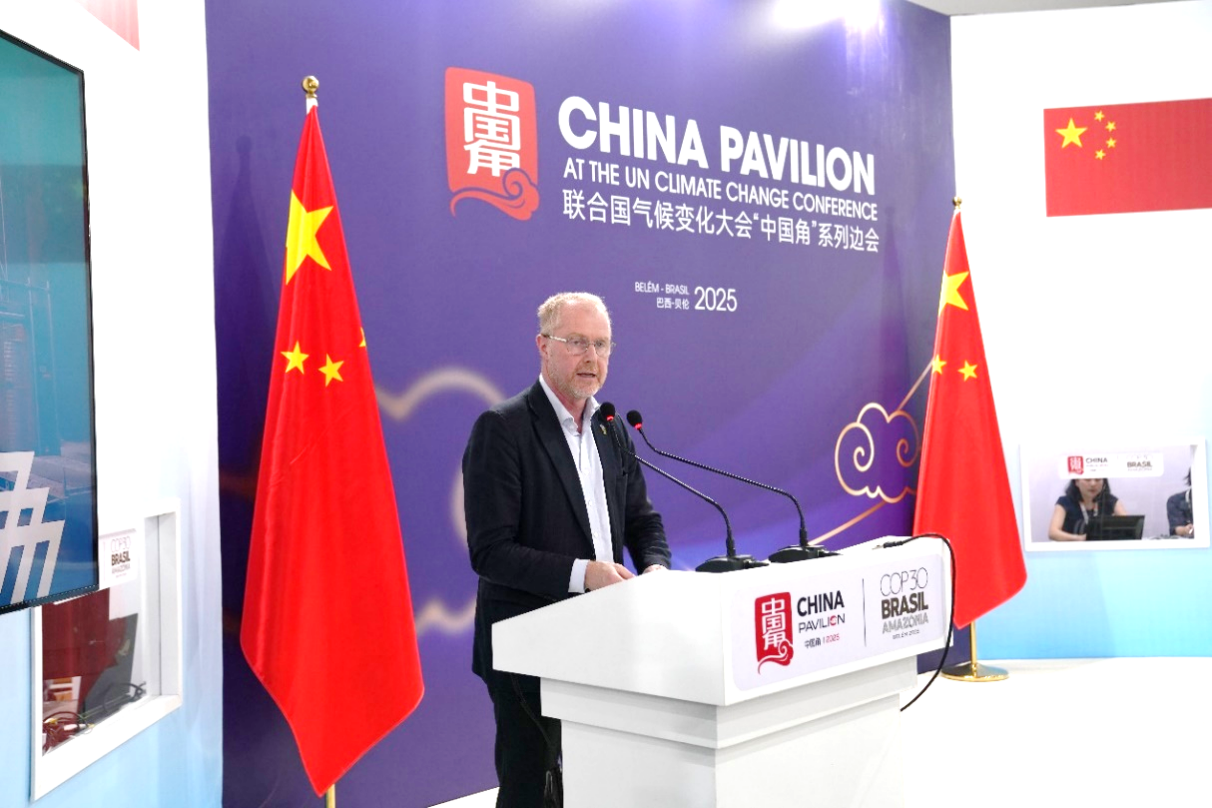
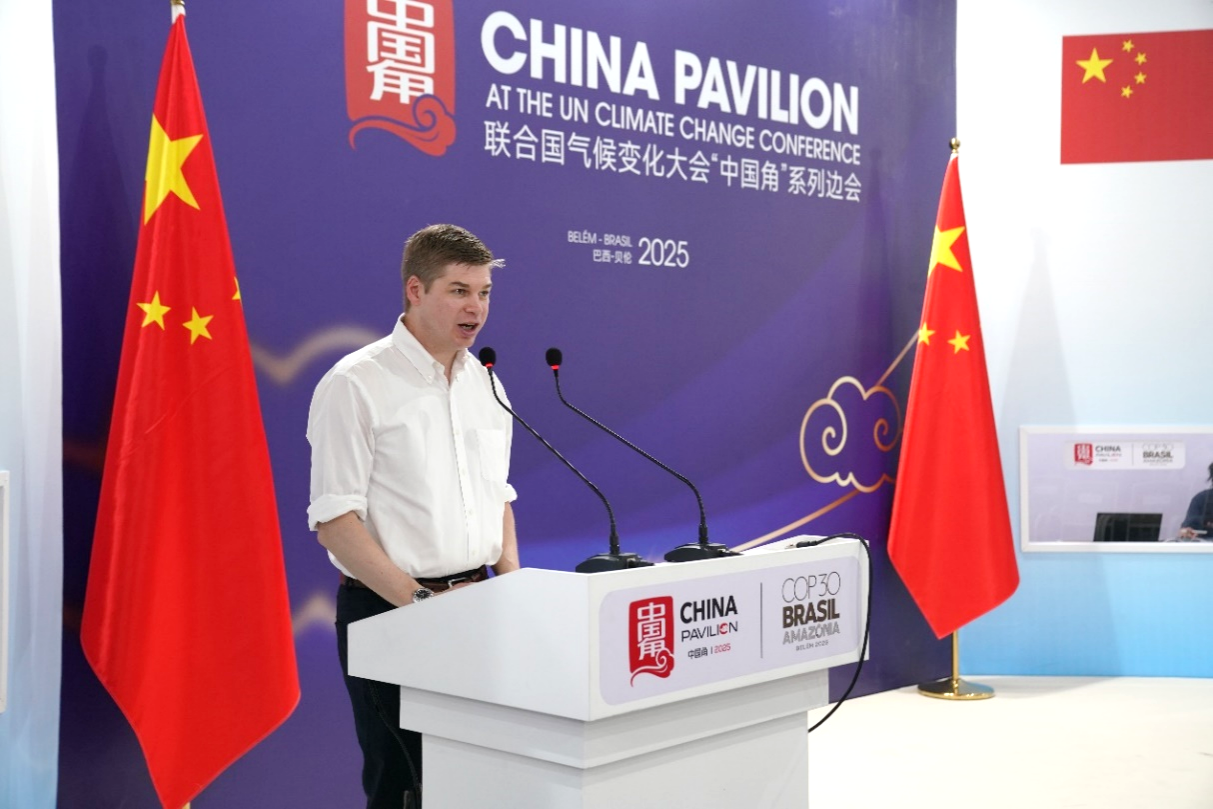
Mattias Frumerie, Swedish Climate Ambassador and Head of the Swedish Delegation to the UNFCCC, highlighted Sweden’s progress in cutting greenhouse gas emissions and reducing fossil fuel use. He emphasized the strong potential for collaboration between Sweden and China in scaling low-carbon technologies and accelerating the global transition to net-zero.
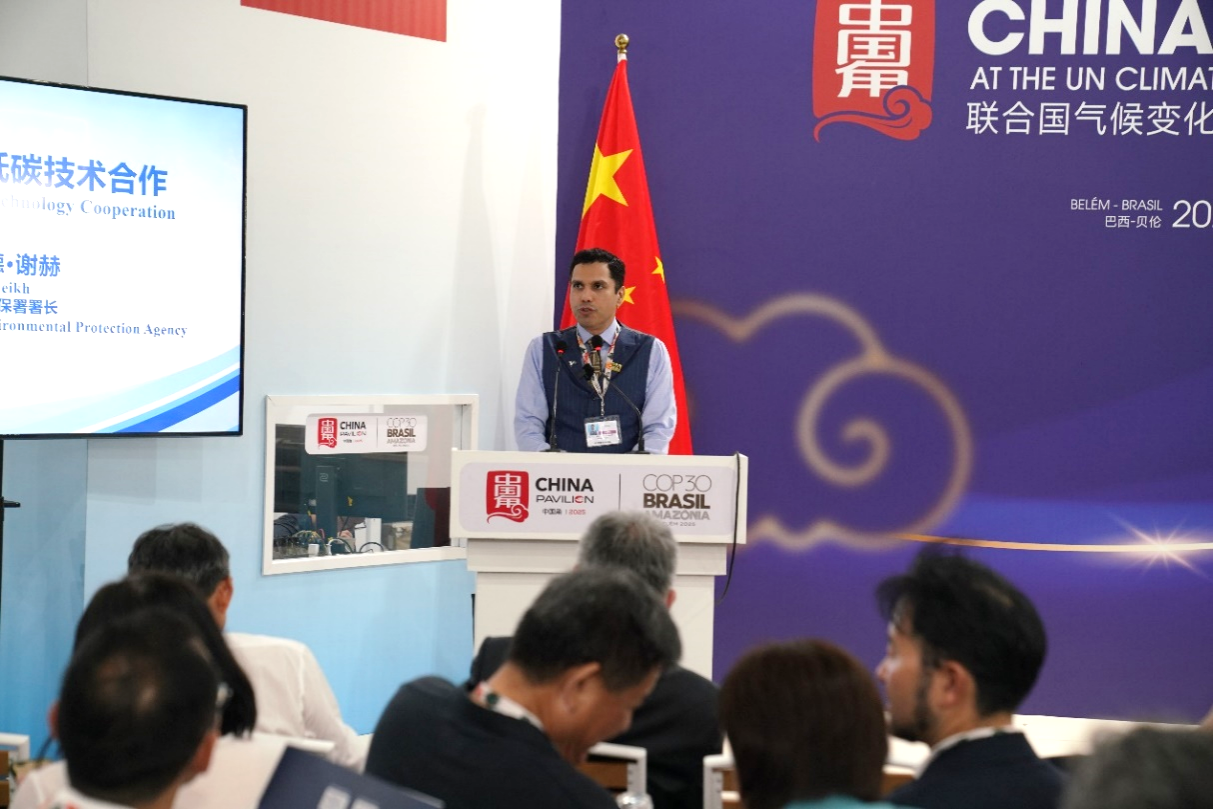
Imran Hamid Sheikh, Director General of the Environmental Protection Agency in Pakistan, noted that Punjab—Pakistan’s economic hub—faces high climate vulnerability. He called for expanded China-Pakistan cooperation in renewable energy, industrial decarbonization, and air quality improvement, particularly under the China-Pakistan Economic Corridor framework, to support both regional stability and global climate goals.
Jon Creyts, Chief Executive Officer of the Rocky Mountain Institute, pointed to China’s leadership in renewables deployment, noting that the country accounted for nearly 60% of global new wind and solar installations in the past five years. He underscored that China’s rapid electrification and green growth offer a reference for other developing nations, proving that large-scale decarbonization can align with economic prosperity.
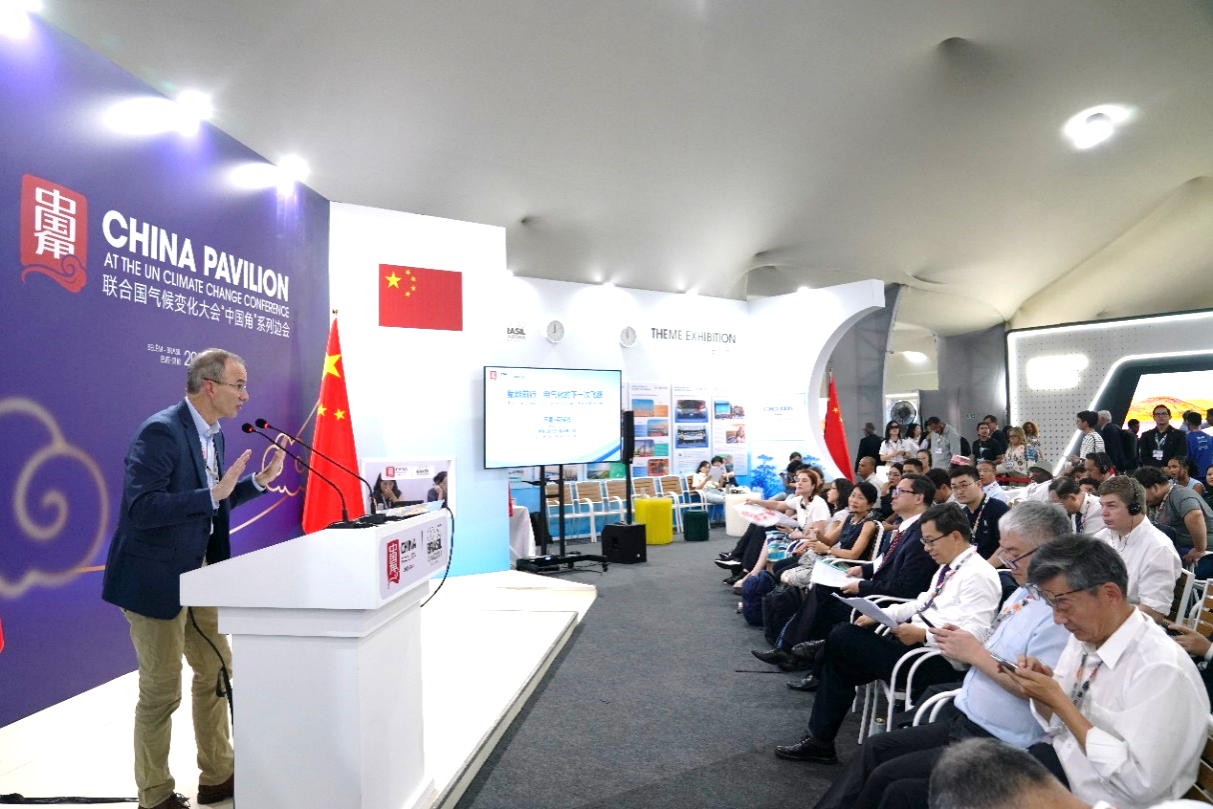
Tim Dallmann, Director of International Partnerships Program at the International Council on Clean Transportation, highlighted China’s pioneering role in promoting zero-emission non-road machinery, such as electric excavators and loaders. These efforts deliver both climate and air quality benefits, supporting a dual environmental objective.
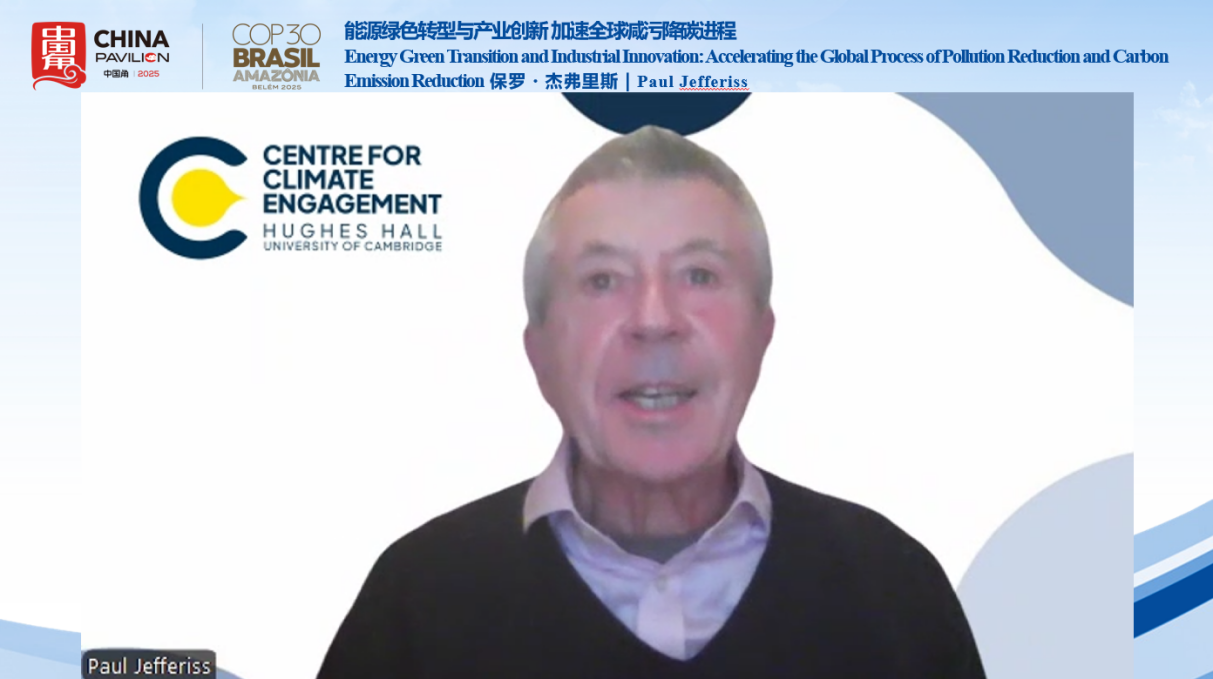
Paul Jefferiss, Director for the Centre for Climate Engagement, commended China’s progress in renewables and electric mobility. He urged continued focus on scaling key technologies—including energy storage, carbon capture, and methane control—along with stronger carbon pricing mechanisms to speed the energy transition.
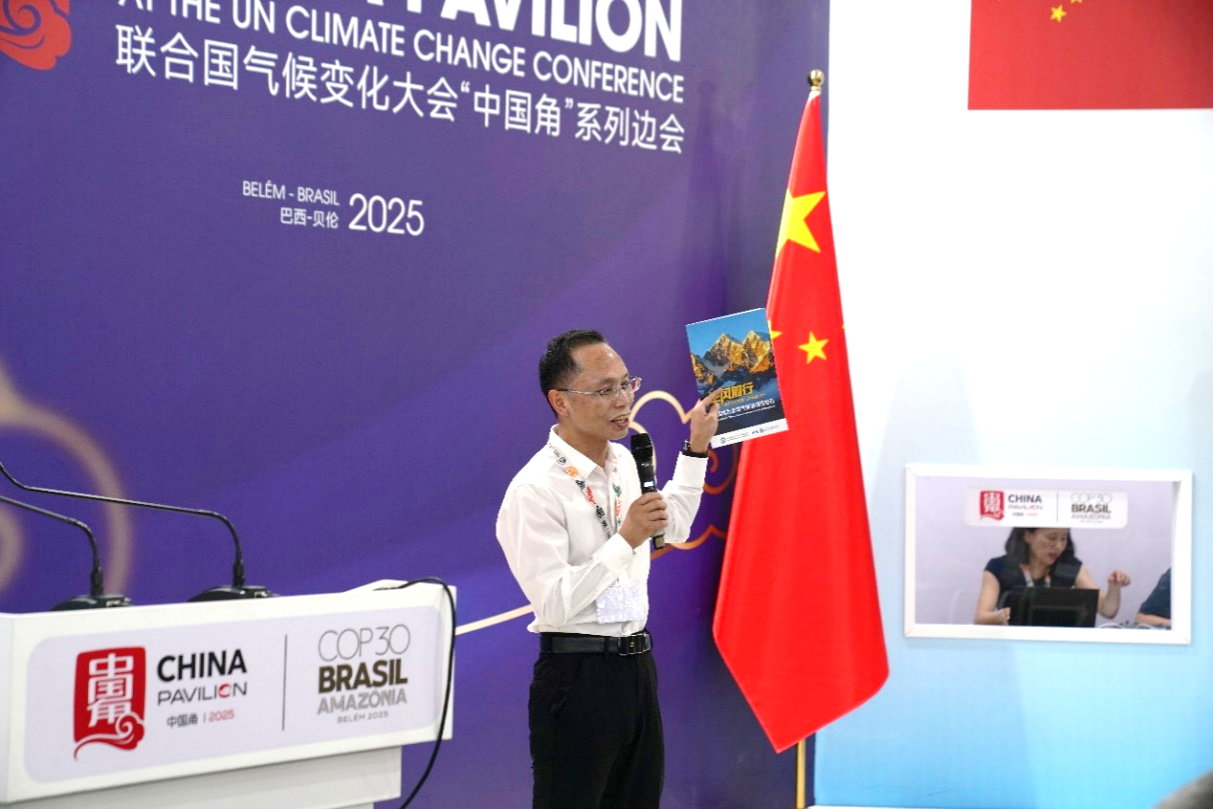
Yang Pingjian, Chief Expert of the Research Center for Environmental Management at CRAES, reaffirmed China’s steadfast commitment to its dual-carbon goals (peaking carbon emissions and achieving carbon neutrality). He emphasized that China serves as a “ballast stone” in global climate governance and is poised to implement the world’s largest emission reduction effort through its updated climate pledges.
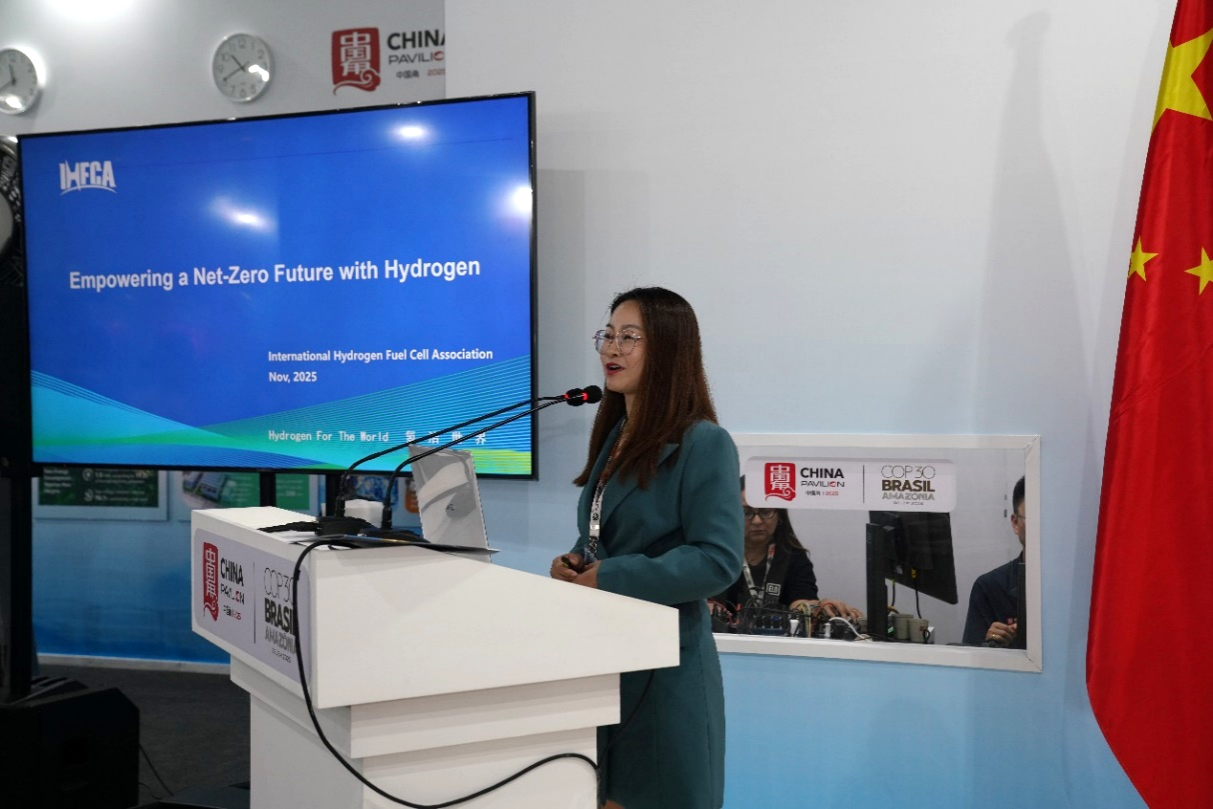
Zou Wei, Director of the Academic Exchange Department at the International Hydrogen Fuel Cell Association, highlighted hydrogen energy’s role in deep decarbonization, particularly in transport and industry, noting China’s emerging leadership in hydrogen applications.
Yu Yinquan, Chief Scientist and Engineer at the National Center of Technology Innovation for Green and Low-carbon Building, outlined China’s approach to decarbonizing buildings through electrification, zero-carbon heating, and low-carbon materials—addressing both operational and embodied carbon.
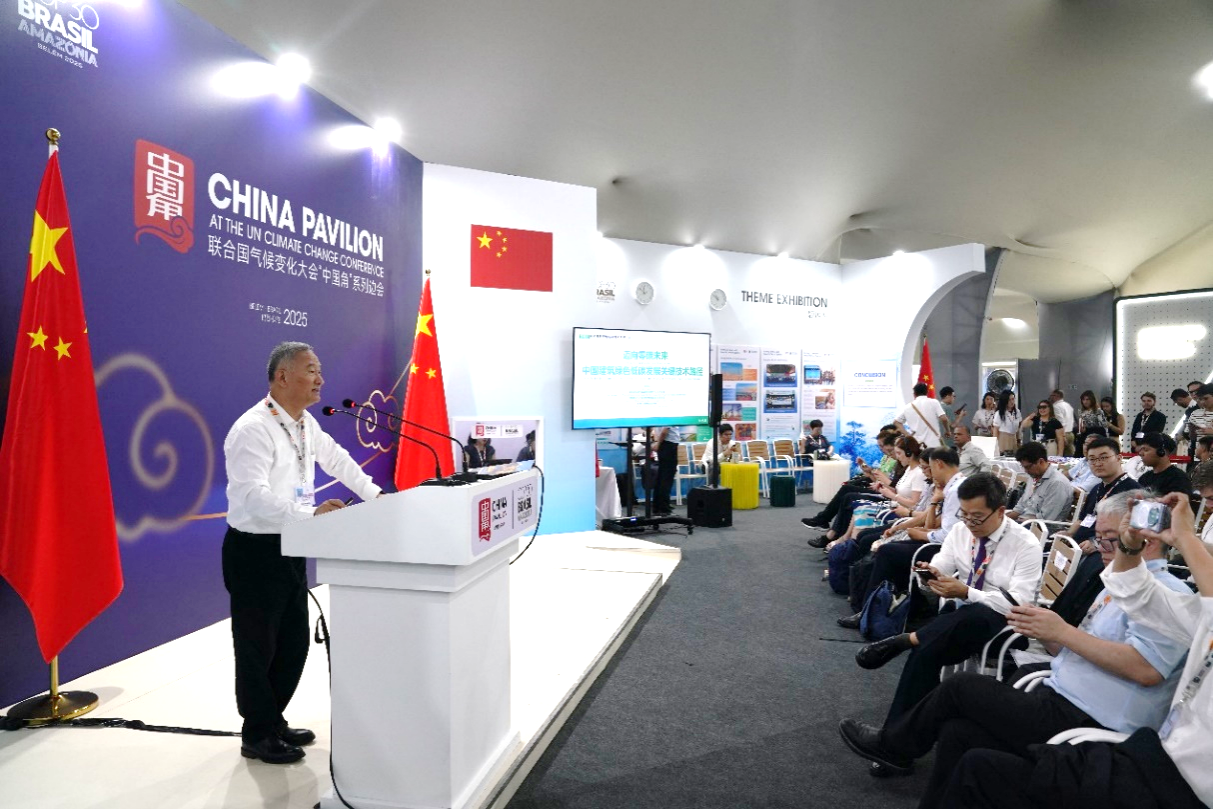
The side event underscored that the world is entering a new stage of climate action defined by technological collaboration and shared solutions. By advancing key technologies like wind, solar, and energy storage, China is making substantial contributions to global emissions reduction. Its practical actions provide a credible pathway for others, establishing China as an important force in uniting the world toward a net-zero future.
