
On October 19, the China Pavilion opening ceremony at the 17th meeting of the Conference of the Parties to the Convention on Biological Diversity (CBD COP17) was held at the Yerevan Expo Center in Yerevan, Armenia. Under the guidance of China’s Ministry of Ecology and Environment (MEE) and organized by the Chinese Research Academy of Environmental Sciences (CRAES), the event brought together nearly 500 participants from around the world. Among those in attendance were Huang Runqiu, Minister of China’s MEE; Hambardzum Matevosyan, Armenia’s Minister of Environment; Astrid Schomaker, Executive Secretary of the CBD; Wen Xian, Vice Mayor of Beijing; representatives of the United Nations Environment Programme (UNEP), the United Nations Development Programme (UNDP) and the International Union for Conservation of Nature (IUCN); government officials from various countries; and leading experts and academicians. The atmosphere was lively and welcoming. The opening ceremony featured four parts: opening remarks, an exhibition tour, keynote speeches, and statements by stakeholder representatives.
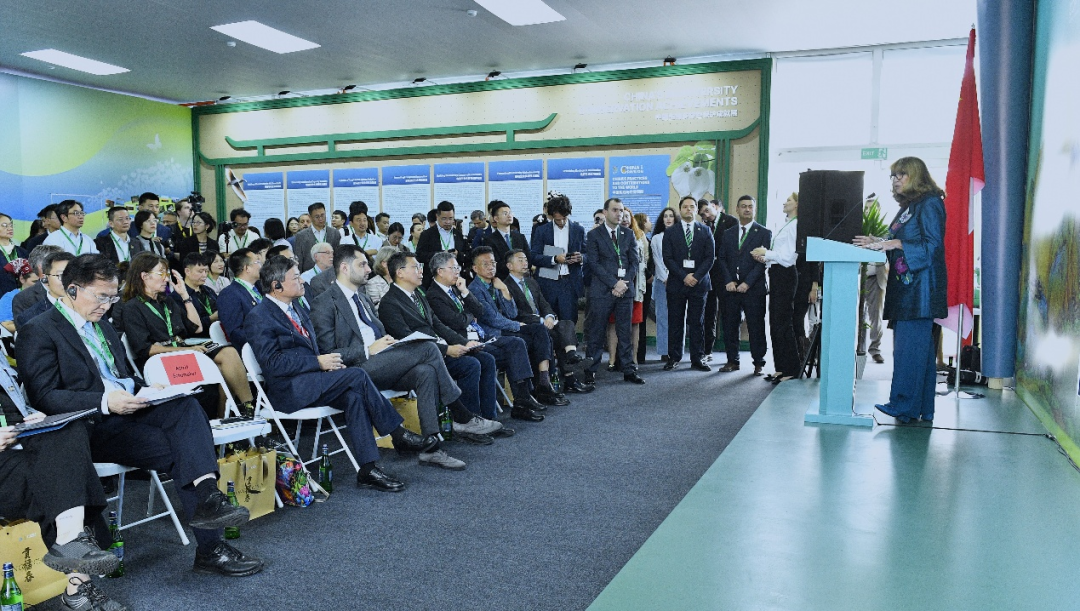
The opening remarks were chaired by Zhang Yujun, Director General of the Department of Nature and Ecology Conservation of the MEE. Huang delivered remarks and declared the China Pavilion open. Other speakers included Matevosyan, Schomaker, Doreen Robinson (the Deputy Director for the Ecosystems Division in UNEP), Midori Paxton ( Director of the UNDP Nature Hub within the Bureau for Policy and Programme Support), Norbert Bärlocher (a member of the IUCN Council), Wen, Academician Wang Jinnan (Honorary President of the Chinese Academy of Environmental Planning), Matthew Hollingworth (Assistant Executive Director for Programme Operations at the United Nations World Food Programme), and Xi Beidou, President of CRAES and Academician of the Chinese Academy of Engineering. Their remarks touched on a range of issues related to biodiversity conservation, including the implementation of multilateral conventions, national practices, international cooperation, local action, and scientific and technological support.
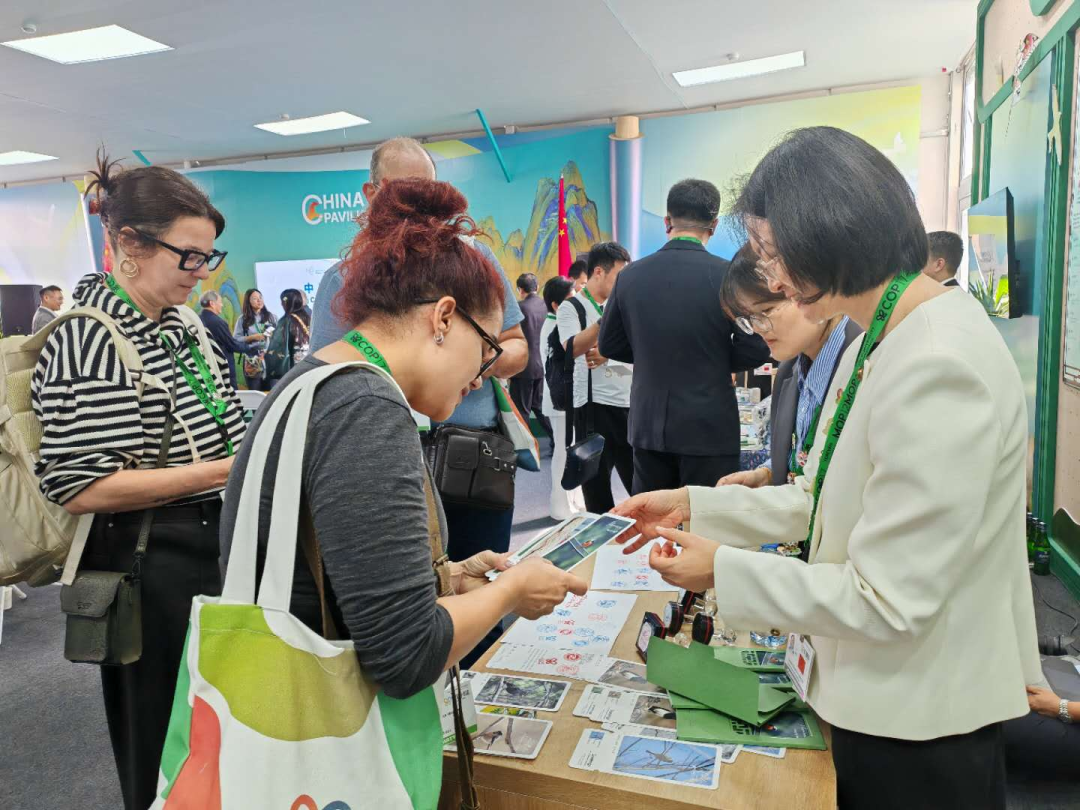
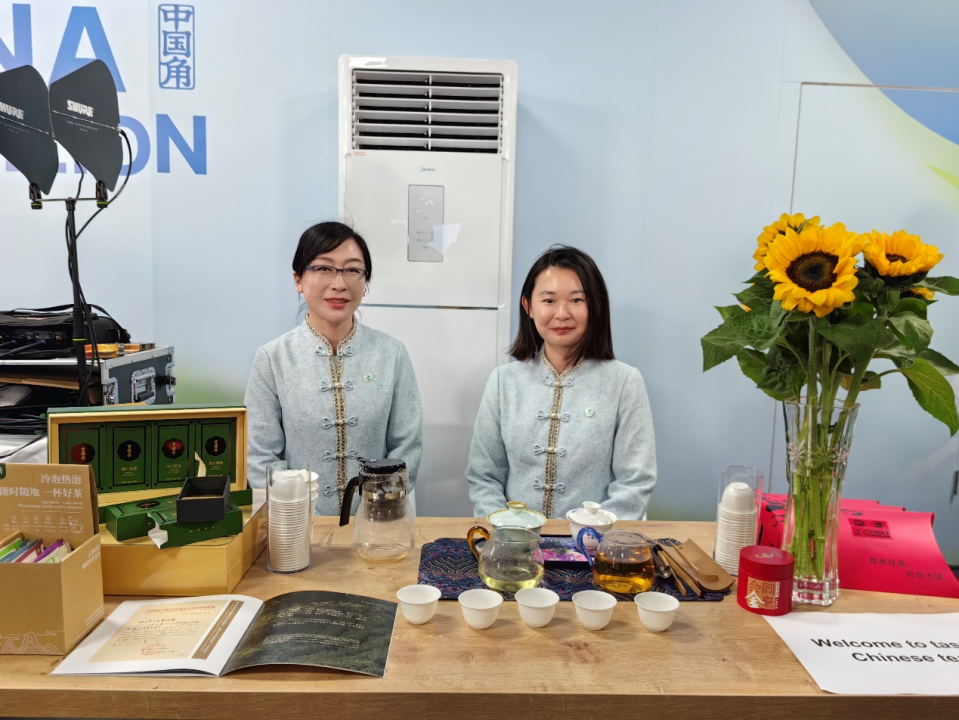
After the speeches, guests toured an exhibition showcasing China’s achievements in biodiversity conservation. The Pavilion offered a distinctive and welcoming atmosphere. An elegant tea ceremony drew much attention from international visitors, while bird-themed postcards, commemorative badges and other creative products developed by CRAES proved popular. Many guests picked up souvenirs, which helped foster friendly cross-cultural exchange.
The keynote session was chaired by Academician Xi, President of CRAES. Zhang outlined China’s progress in biodiversity conservation. Basile van Havre, Adviser to the Executive Director at the Institute for Sustainable Development and International Relations (IDDRI), shared updates on the implementation of the Kunming-Montreal Global Biodiversity Framework (GBF) and prospects for its future implementation. Country experiences were also presented by Mbulelo Dopolo, Director at South Africa’s Department of Forestry, Fisheries and the Environment; David Eduardo Castro Garro, Director of the Directorate of Genetic Resources and Biosafety at Peru’s Ministry of the Environment; and Henry Micheal Ndengejeho, Project Coordinator at Namibia’s Ministry of Environment, Forestry and Tourism. Their presentations addressed marine conservation in South Africa, agrobiodiversity in Peru’s mountain regions, and the protection of traditional knowledge in Namibia respectively.
The stakeholder session was chaired by Chen Sheng, Deputy President of CRAES. Li Chao, County Mayor of Huitong County; Xi Beidou; and Qin Lihong, Co-founder and President of NIO, shared diverse approaches to conservation from the perspectives of local practice, technological innovation, and corporate engagement.
In and around the exhibition hall, participants from different countries exchanged views on biodiversity conservation, implementation of the GBF, local conservation practices, and the role of technological innovation in advancing conservation. The networking sessions were lively, giving representatives an opportunity to share experiences, explore cooperation, and build closer connections in a relaxed and cordial atmosphere.

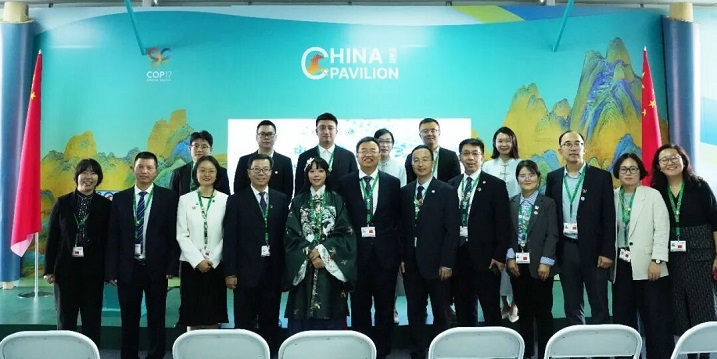
The China Pavilion has become an important platform for sharing China’s ecological story and connecting with global biodiversity conservation efforts. It will continue to foster dialogue among diverse stakeholders, build consensus, and strengthen collective action in our common pursuit of a community of life on Earth.
